Source VW Audi Engine Camshaft for VW, Audi, and Multivan
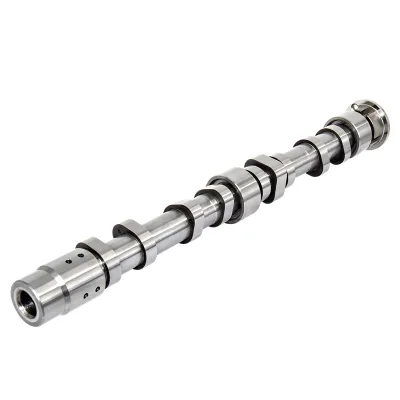
Compare 30 VW Audi Engine Camshaft listings from verified Chinese suppliers. Buyers can review specifications, prices, and warranty terms for models like AKQ and AQQ before requesting quotes.
Key considerations
Products List

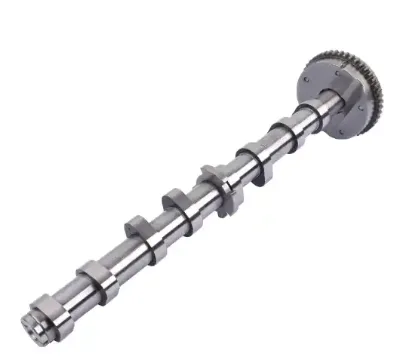
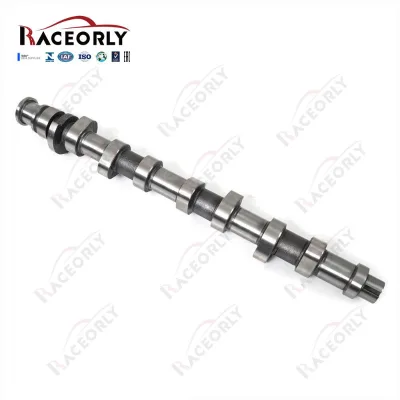
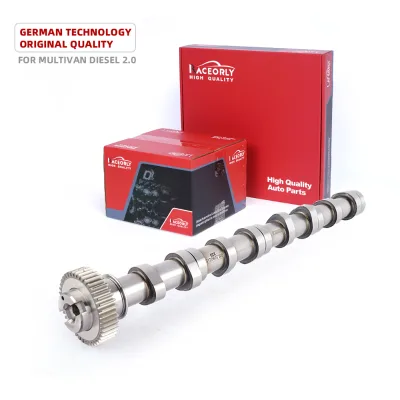


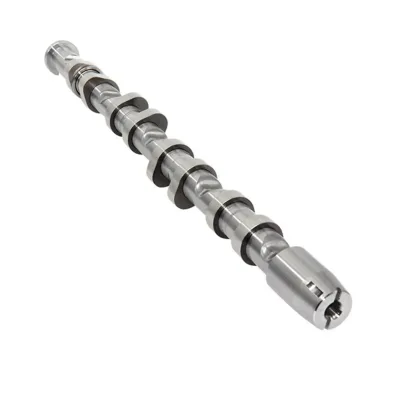


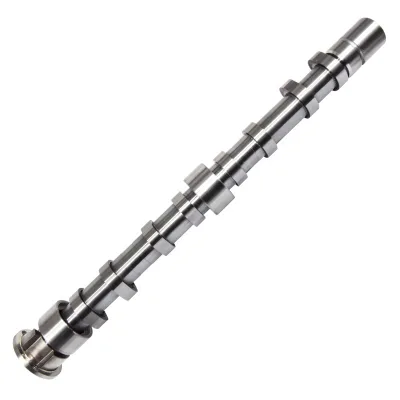
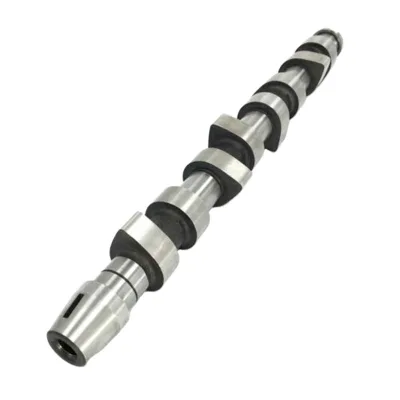
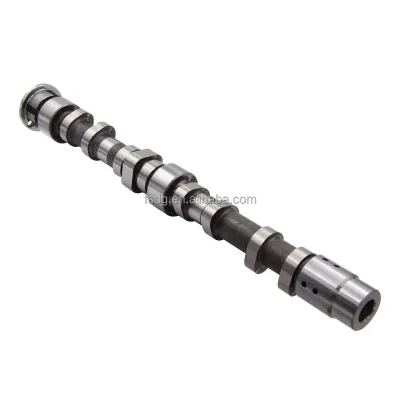
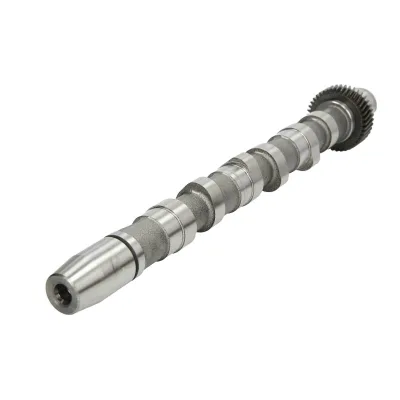
06L109021h 06L109021n 06L109021s 06L109021e Camshaft with Valve Audi VW
$70.00 - $80.00
MOQ: 100 Pieces


Camshaft for Volkswagen Golf Passat Polo Audi A1 A3 1.4 Tsi Ea111 1.4L 03c109101df
$1.00 - $1000.00
MOQ: 1 Pieces

Camshaft for Volkswagen Golf Polo Jetta Audi A3 1.4 Tsi Caxa Cavd 1.4L 03c109101DC
$1.00 - $1000.00
MOQ: 1 Pieces




Comprehensive Sourcing Guide
Strategic Sourcing Guide for VW Audi Engine Camshafts
Understanding Technical Specifications and Compatibility
When sourcing engine camshafts for Volkswagen and Audi vehicles, the primary challenge lies in the intricate mapping between engine codes, part numbers, and physical dimensions. The market presents a diverse array of components, ranging from steel-based units to those crafted from chilled cast iron, each tailored to specific performance requirements. A critical observation from current product listings indicates that the core material composition varies significantly; some units are explicitly identified as steel, while others utilize chilled cast iron. This distinction is not merely semantic but dictates the thermal stability, wear resistance, and ultimate lifespan of the component within the high-compression environment of modern automotive engines.
Compatibility is the most stringent filter in this procurement category. The supplied data reveals a complex matrix of engine model numbers, including specific codes such as AKQ, AQQ, AUA, AQM, AWB, BJH, BAF, BJG, BRY, BTH, and BWH. These alphanumeric codes correspond to specific engine families used across the VW and Audi lineages. For instance, certain listings specify compatibility with models like the Golf 1.8, while others target the Multivan diesel 2.0T. Buyers must verify that the engine model number on the product specification aligns precisely with the vehicle's engine code, as even minor discrepancies can lead to catastrophic engine failure. Furthermore, the physical dimensions are often standardized to OEM requirements, with single package sizes varying from compact 30x20x10 cm configurations to larger 49x65x65 cm units, reflecting differences in packaging density and the specific camshaft geometry.
The following table illustrates the variability in technical attributes observed in the current market, highlighting the need for precise verification before purchase:
| Attribute Category | Observed Variations | Procurement Verification Requirement |
|---|---|---|
| Material Composition | Steel, Chilled Cast Iron | Verify material grade matches engine design specifications. |
| Engine Model Codes | AKQ/AQQ/AUA, AQM/AWB/BJH, Golf 1.8 | Cross-reference with vehicle VIN and engine bay stamping. |
| OE Reference Numbers | 036109101DG, 5L1Z6250AA, 06B109101G/Q | Match against original manufacturer parts catalog. |
| Package Dimensions | 30x20x10 cm, 50x20x10 cm, 49x65x65 cm | Calculate logistics costs based on volumetric weight. |
| Gross Weight | 2.0 kg, 2.100 kg, 2.456 kg | Confirm shipping class and handling requirements. |
Compliance, Certification, and Quality Assurance Protocols
In the realm of automotive engine components, the assertion of "High Performance" or "100% Professional Test" must be treated as a claim requiring independent validation rather than a guaranteed standard. While many suppliers list attributes such as "100% Tested" or "100% Brand-new," the absence of specific, universally recognized certification bodies in the provided data necessitates a rigorous due diligence process. Buyers should not assume that a product labeled as "New" or "Brand-new" automatically meets the stringent tolerances required for high-performance engines without verifying the testing methodology.
The concept of "Customization" is frequently cited in this sector, with standards often described as "By The Customer Needs." This implies a high degree of variability in the manufacturing process. However, the lack of a fixed standard like "10kg" in the context of a camshaft (which is typically measured in grams or kilograms depending on the whole assembly) suggests that buyers must clarify what specific metric this standard refers to. Is it a weight tolerance, a load-bearing capacity, or a packaging standard? Without explicit clarification, this ambiguity poses a risk.
Quality assurance protocols should focus on the testing procedures employed by the supplier. Listings mention "100% Professional Test" and "100% Tested," but the nature of these tests—whether they include hardness testing, dimensional inspection, or dynamic balance verification—must be requested. For critical engine components like camshafts, the integrity of the material is paramount. The presence of "Chilled Cast Iron" suggests a specific heat treatment process designed to increase surface hardness, which is essential for cam lobe durability. Buyers must request test reports that confirm the hardness levels and microstructure of the material, ensuring it aligns with the original equipment manufacturer (OEM) specifications.
Cost Drivers and Pricing Dynamics
The pricing landscape for VW and Audi engine camshafts is influenced by a complex interplay of material costs, manufacturing complexity, and logistics. The observed price range in the market spans from $1 to $1,000, a variance that reflects the difference between basic replacement units and high-performance, customized, or OEM-equivalent components. Several factors drive these costs. First, the material composition is a primary driver; chilled cast iron and specialized steel alloys generally command higher prices than standard carbon steel due to the advanced metallurgical processes required.
Second, the level of customization significantly impacts the final cost. Products listed with "Customization: Available" often involve additional machining, heat treatment, or coating processes that are not present in off-the-shelf inventory. These bespoke requirements increase the unit price but may offer superior performance or fitment for modified engines. Third, the packaging and shipping method contribute to the overall cost structure. Listings indicate "Ocean Freight" and "AIR SEA Express Delivery" as available options. Air freight, while faster, incurs substantially higher costs compared to ocean freight, which can influence the total landed cost for international buyers.
The Minimum Order Quantity (MOQ) also plays a role in cost efficiency. The observed MOQ range spans from 1 piece to 100 pieces, with specific listings showing MOQs of 1 PCS or 5 PCS. For buyers seeking to minimize inventory risk, suppliers with low MOQs are preferable, even if the unit price is slightly higher. Conversely, bulk buyers can leverage economies of scale by ordering larger quantities, potentially negotiating better rates. However, buyers must be cautious of suppliers who claim low MOQs but have hidden costs in shipping or handling, especially given the varying gross weights of 2.0 kg to 2.456 kg per unit.
Typical Applications and Vehicle Integration
The application of these camshafts is highly specific to the engine architecture of Volkswagen and Audi vehicles. The data indicates a strong focus on diesel and gasoline engines, with specific mentions of the "Multivan diesel 2.0T" and "Golf 1.8" models. The engine models listed, such as AKQ, AQQ, AUA, and the extensive series of AQM, AWB, and BJH codes, cover a wide range of vehicle types, from compact sedans to larger vans. This diversity underscores the importance of precise model matching.
The "Purpose" of these components is consistently listed as "for replace/repair," indicating their role in maintenance and restoration rather than initial manufacturing. This distinction is crucial for buyers, as replacement parts must meet or exceed the original specifications to ensure engine longevity. The "Application" is broadly categorized as "Auto Engine Parts" or "Car Engine Parts," but the specific integration requirements vary. For instance, a camshaft designed for a 2.0T diesel engine will have different lobe profiles and timing characteristics compared to a 1.8 gasoline engine unit.
Buyers must also consider the "Place of Origin," which is listed as both Chongqing and Guangdong, China. While these regions are major manufacturing hubs, the specific factory capabilities can vary. Some facilities may specialize in high-volume production of standard parts, while others may focus on low-volume, high-precision components. Understanding the origin can provide insights into the production capacity and the likelihood of consistent quality control.
Supplier Evaluation and Reliability Assessment
Evaluating suppliers in this sector requires a focus on their ability to provide accurate technical data and reliable after-sales support. The "Service" attribute is frequently highlighted as "Excellent After-sale Service," but this is a subjective claim that must be validated through customer reviews and direct communication. Buyers should inquire about the supplier's response time to technical queries, their willingness to provide detailed product documentation, and their track record for handling warranty claims.
The "Warranty" period is another critical metric, with observed ranges from 1 year to 2 years, and even specific mentions of "18 months" quality warranty. A longer warranty period often indicates a higher level of confidence in the product's durability, but it is essential to understand the terms and conditions. Does the warranty cover material defects, workmanship, or both? What is the process for filing a claim? Suppliers offering a 2-year warranty may be more reliable than those offering only 1 year, but this must be balanced against the price and the supplier's reputation.
Furthermore, the "Condition" of the product is listed as "New" or "100% Brand-new," but buyers should verify the storage and handling conditions of the supplier. Engine components are sensitive to corrosion and physical damage, and improper storage can compromise the integrity of the part before it even reaches the buyer. Requesting photos of the actual inventory and asking about storage facilities can help mitigate this risk.
Quality Control and Inspection Procedures
Quality control is the backbone of successful procurement in the automotive parts industry. The "Quality" attributes listed, such as "High Performance," "100% Professional Test," and "100% Tested," suggest a commitment to quality, but the specifics of these controls must be verified. Buyers should request detailed inspection reports that include dimensional measurements, surface finish analysis, and material hardness tests.
The "Test" attribute is mentioned as "100% test," which implies that every unit undergoes some form of inspection. However, the scope of this inspection is not defined. Does it include a functional test on a dynamometer, or is it limited to visual and dimensional checks? For camshafts, which are critical timing components, a functional test is highly desirable to ensure that the lobe profiles and timing marks are accurate.
Buyers should also consider the "Packing" standards, which are listed as "Neutral Packing" or "Ocean Freight" packaging. Proper packaging is essential to prevent damage during transit, especially given the varying package sizes and weights. Neutral packing may be cost-effective but could lack the protective measures required for high-value engine components. Buyers should specify their packaging requirements, such as the need for moisture-proof wrapping or shock-absorbing materials, to ensure the product arrives in pristine condition.
Long-Term Procurement Considerations
Sourcing engine camshafts is not just a one-time transaction but a long-term relationship that impacts the reliability of the buyer's inventory and the performance of their customers. The "Lead Time" is a critical factor, with observed ranges of 7-15 days. Buyers must factor this into their inventory planning to avoid stockouts, especially for high-demand models. The "Shipping" options, including "AIR SEA Express Delivery," offer flexibility but come with varying costs and delivery times.
The "Payment" terms, such as "TT LC Western union," indicate the financial mechanisms available, but buyers should negotiate terms that protect their interests, such as escrow services or letters of credit for large orders. The "Selling Units" are typically "Single item," which allows for flexibility but may increase the administrative burden of processing multiple small orders.
Finally, buyers should consider the "Standard" and "Specification" consistency over time. As product lines evolve, suppliers may update their specifications or change their manufacturing processes. Maintaining open communication with suppliers to stay informed about these changes is essential for ensuring long-term compatibility and quality. By focusing on these long-term considerations, buyers can build a resilient supply chain that supports their operational needs and customer satisfaction.
FAQs
What materials are used for VW Audi engine camshafts?
Products are available in steel or chilled cast iron compositions. Buyers must verify the specific material grade matches the engine design specifications to ensure thermal stability and wear resistance.
Which engine models are compatible with these camshafts?
Compatibility includes engine codes like AKQ, AQQ, AUA, and AQM series for Audi and VW vehicles. Buyers must cross-reference the vehicle VIN and engine bay stamping to confirm precise fitment.
Can I customize the camshaft specifications for my needs?
Customization is available based on specific customer requirements. Buyers should clarify the exact metric for standards like weight or load-bearing capacity to avoid ambiguity during the manufacturing process.
How long is the delivery time for these parts?
Standard delivery times range from 7 to 15 days for most listings. Buyers should confirm shipping methods like air or sea freight to calculate the total landed cost and arrival date.
What is the minimum order quantity for purchasing?
Minimum order quantities vary from 1 piece to 5 pieces depending on the supplier. Bulk buyers can leverage economies of scale, while small orders may incur higher unit prices.
What warranty periods are offered for engine camshafts?
Warranty periods typically range from 1 year to 2 years or 18 months. Buyers must verify if the warranty covers material defects, workmanship, or both before finalizing the purchase agreement.